

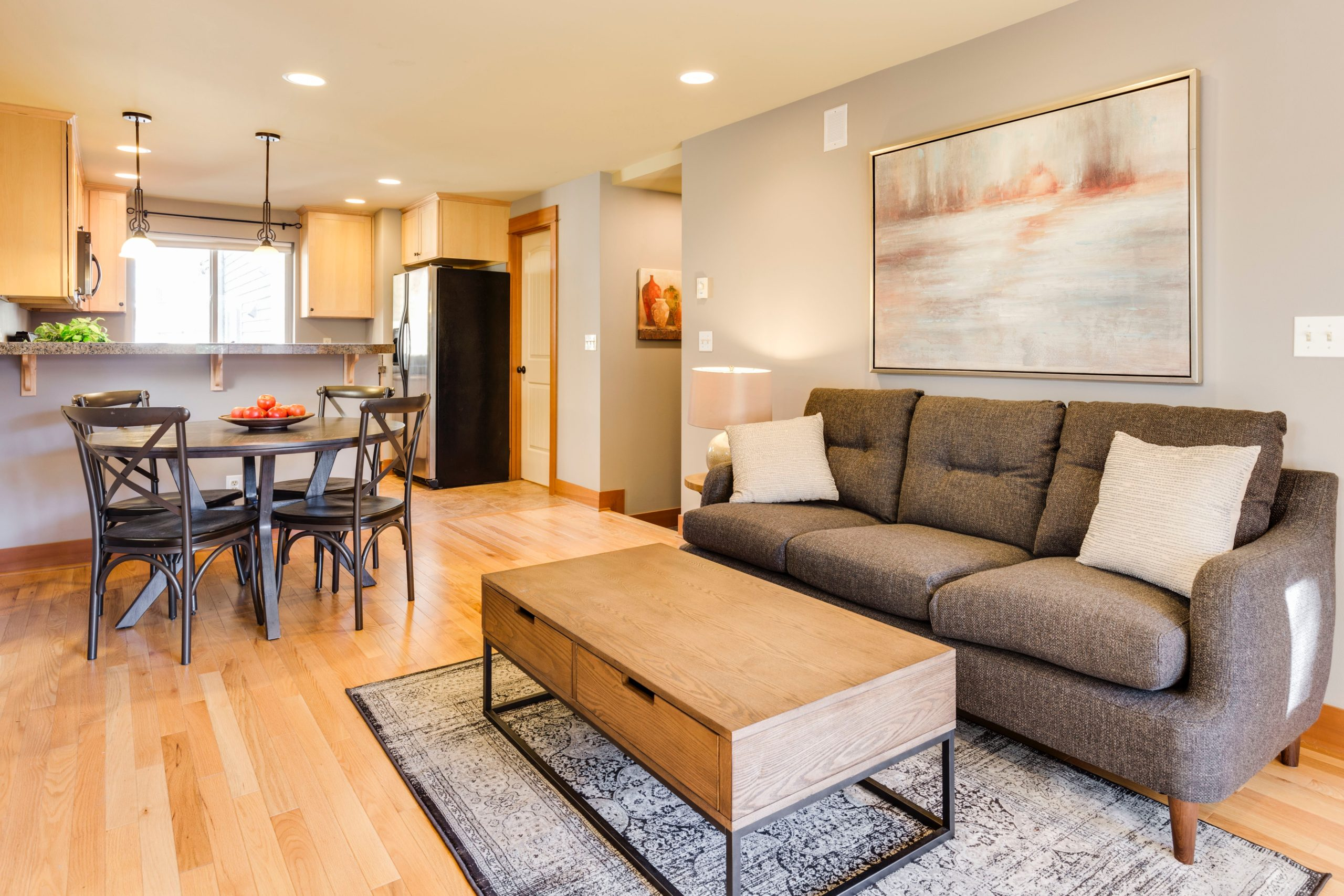
A Little Investment Goes a Long Way: Home Improvements That Can Help You Sell for More
Thinking about selling your home? The right repairs and updates can improve buyer appeal, strengthen your negotiating position, and potentially increase your home’s resale value. From fresh paint and updated kitchens to curb appeal and flooring, learn which home improvements may be worth the investment—and how to avoid spending more than you need to before selling.
Repairs and Improvements: Where Should You Invest?
Buyers notice the condition of a property, how well it has been maintained, and whether it feels ready for them to move in. That doesn’t mean you need to remodel your entire home before putting it on the market. The goal is to identify improvements that address buyers’ concerns, make your home more attractive, and help you compete with other properties in your neighborhood.
According to Zillow’s 2026 Consumer Housing Trends Report, 78% of sellers completed at least one home improvement project as part of preparing to sell. Interior painting, bathroom improvements, landscaping, kitchen updates, and flooring were among the most common projects.
The National Association of REALTORS® (NAR) and industry remodeling researchers also emphasize the importance of choosing projects carefully. Some improvements can recover much of their cost, or even more than their initial expenses, while others may provide more enjoyment for the homeowner than financial return. So, where should you start?
A knowledgeable real estate professional can help you identify which repairs and improvements are most likely to matter to buyers in your local market. The right plan may involve a few inexpensive updates rather than a costly renovation. Let’s look at the areas that deserve your attention.
1. Kitchen Updates: Make the Heart of Your Home More Appealing
For many households, the kitchen is one of the most important rooms in the house. Buyers aren’t just looking at cabinets, appliances, and countertops. They’re imagining everyday life: preparing meals, gathering with family, entertaining friends, and starting the day with a cup of coffee. An outdated or tired looking kitchen can make buyers question whether the home needs additional work. Fortunately, you may not need a complete remodel to make a good impression.

Focus on High-Impact Kitchen Improvements
Depending on the kitchen’s condition, consider:
- Refresh the cabinets. Cleaning, repainting, or refinishing existing cabinets may be more cost-effective than replacing them.
- Update the hardware. Modern cabinet pulls and knobs can make older cabinetry look more current.
- Replace dated light fixtures. Good lighting helps a kitchen feel brighter and more inviting.
- Address worn countertops. If surfaces are damaged or visibly dated, consider whether replacement makes sense for your home’s price range.
- Update older appliances. Replacing an obviously worn or mismatched appliance can improve the overall appearance of the kitchen.
- Repair visible damage. Loose cabinet doors, damaged drawers, leaking faucets, and worn caulking can leave buyers wondering what else needs attention.
Which Kitchen Styles Are Buyers Looking For?
Design preferences continue to evolve, but a few principles remain useful when preparing a home for sale. Clean lines, functional storage, attractive lighting, and coordinated finishes can help a kitchen appeal to a broad audience. Natural-looking materials and warmer finishes can also make the room feel more inviting.
White kitchens remain a familiar choice, but they are not the only option. Zillow’s 2025 paint-color research found that buyers responded favorably to olive-green kitchen cabinets. Its study estimated that buyers would pay $1,597 more for a home with an olive-green kitchen than for a comparable home featuring a less appealing color treatment.
That figure is a research finding, not a guaranteed price increase for every home. It does, however, illustrate how the right design choices can influence buyer perceptions. Before committing to a major renovation, consider the home’s existing finishes, neighborhood expectations, and likely selling price.
Is a Kitchen Remodel Worth It?
Sometimes. But a complete kitchen renovation is not automatically the best financial decision before selling. Zonda’s 2025 Cost vs. Value Report estimated that a midrange minor kitchen remodel costing approximately $28,458 nationally could return about $32,141 in resale value, recovering approximately 113% of its cost. By comparison, a major upscale kitchen remodel costing approximately $82,793 was estimated to recover about 51% of its cost.
These are national estimates, not guarantees or specific forecasts for the DC metropolitan area. Actual results depend on the property, local buyer preferences, contractor costs, and market conditions.
The takeaway: Before replacing an entire kitchen, find out whether targeted improvements can achieve the same selling objective for substantially less money.
2. Bathroom Improvements: Clean, Modern, and Functional
Bathrooms can have a significant influence on how buyers perceive a home. A bathroom doesn’t necessarily need expensive finishes to look appealing, but it should feel clean, well-maintained, and functional.
Buyers may appreciate attractive tile, updated fixtures, good lighting, adequate storage, and a comfortable shower. However, luxury features are not always necessary to make a bathroom competitive.
Affordable Bathroom Updates

Depending on the existing condition, consider:
- Replacing dated faucets and showerheads.
- Installing a modern vanity or updating the existing one.
- Replacing an old mirror or outdated light fixtures.
- Repairing damaged tile and replacing discolored caulk.
- Refreshing grout and cleaning tile thoroughly.
- Improving ventilation and addressing moisture problems.
- Replacing worn towel bars, cabinet hardware, and other small accessories.
These relatively modest improvements can help a bathroom feel more current without the expense of a complete renovation.
Double vanities, spacious showers, and additional storage may be desirable in some homes, particularly in the primary bathroom. But before adding these features, consider whether the cost is justified by comparable homes in your neighborhood.
Should You Remodel the Entire Bathroom?
A complete renovation may be appropriate if the bathroom is substantially outdated, damaged, or difficult to use. It may also be necessary if there are underlying plumbing or moisture problems. Otherwise, a cosmetic refresh may be the more sensible choice.
NAR’s 2025 Remodeling Impact Report identifies painting and other targeted improvements among the projects real estate professionals recommend to sellers. Its broader remodeling research reinforces the importance of weighing project costs against likely benefits. Remember that buyers may appreciate an attractive bathroom, but they may not pay enough extra to cover every dollar spent on a luxury renovation.
3. Curb Appeal: Make a Strong First Impression
Your front entrance may be one of the last things you think about when preparing to sell, but it is among the first things buyers see. A well-maintained exterior creates a positive initial impression before buyers even step inside. It can also help your listing photographs stand out.
The 2025 Cost vs. Value Report found that exterior replacement projects performed particularly well in its national resale-value comparisons. Garage door replacement, steel entry door replacement, and manufactured stone veneer ranked among the leading projects for estimated cost recovery.
For homeowners preparing to sell, this reinforces an important point: improving the exterior can sometimes offer a better financial return than undertaking an expensive interior renovation.
Simple Ways to Improve Curb Appeal
Consider these projects before listing:
- Refresh the front door. A fresh coat of paint can make the entrance look cleaner and more inviting.
- Update the hardware. An attractive door handle, house numbers, and exterior light fixtures can give the entrance a more finished appearance.
- Improve landscaping. Trim overgrown shrubs, remove weeds, refresh mulch, and keep lawns maintained.
- Clean exterior surfaces. Wash the entryway, walkways, and other appropriate exterior surfaces.
- Repair visible damage. Address loose railings, peeling paint, damaged trim, and broken exterior fixtures.
- Check the garage door. A worn or damaged garage door can detract from the appearance of an otherwise attractive home.
- Make the entrance welcoming. A clean doormat, healthy plants, and uncluttered walkways can make a difference without requiring a large investment.

What About Front Door and Exterior Colors?
Color choices matter, but there is no single color that guarantees a higher sale price. Zillow’s 2025 research found that buyers responded positively to certain darker shades, including olive green and navy blue, in specific interior settings. That research should not be interpreted as proof that the same colors will improve every home’s resale value or that a particular front-door color will produce a predictable financial return. Choose colors that complement the home’s architecture and existing exterior finishes.
If you live in a condominium, planned community, or neighborhood with a homeowners association, check applicable rules before changing exterior colors, fixtures, or other visible features.
4. Flooring: Give Buyers a Home That Feels Well Maintained
Flooring has a major influence on the overall appearance of a home. Scratched floors, stained carpet, damaged tile, and mismatched materials can make rooms feel older or less cared for than they really are. The good news is that replacing every floor in your home may not be necessary. Start by evaluating the condition of your existing flooring.
When to Repair, Clean, or Replace Flooring
Carpet: Professional cleaning may be sufficient if the carpet is in good condition. Replace it if there are persistent stains, significant wear, odors, or visible damage.
Hardwood: Cleaning and refinishing may be worthwhile if the floors are scratched or dull but otherwise sound. Repairing damaged boards may be preferable to replacing the entire floor.
Luxury vinyl plank: This flooring can provide a practical, contemporary appearance in appropriate areas of the home. Quality, installation, and compatibility with the home’s overall finish level matter more than simply choosing the newest product.
Tile: Repair cracked tiles and refresh dirty grout. Replacement may be justified if the tile is significantly damaged or looks particularly dated.
Laminate: Well-maintained laminate may be perfectly acceptable. If it is swollen, peeling, or badly damaged, repairs or replacement may be necessary.
Which Flooring Trends Are Worth Following?
Current flooring choices offer plenty of options, from natural wood finishes to engineered hardwood, luxury vinyl, and large-format tile. Rather than choosing a product solely because it is fashionable, look for a finish that complements the home’s architecture, fits the intended use of the room, and appeals to a broad range of buyers.
Consistency is also important. Flooring doesn’t have to be identical throughout the home, but abrupt transitions between unrelated materials can make the interior feel disjointed. Zillow’s 2026 seller research found that 25% of sellers replaced or repaired flooring as part of preparing their homes for sale, up from 20% in 2024.
That trend suggests flooring remains an important consideration for sellers, but it doesn’t mean every homeowner should replace perfectly serviceable floors.
5. Paint and Interior Finishes: Small Changes, Visible Results
Fresh paint is one of the most straightforward ways to improve a home’s appearance before selling. Walls accumulate scuffs, scratches, fingerprints, and discoloration over time. Even a well-maintained home can look tired when the paint is worn.
A fresh coat of paint can help rooms feel cleaner and better cared for. It can also help buyers focus on the home’s features rather than the work they might need to do after moving in.
Choose Colors That Help Buyers Picture Themselves in the Home
Neutral colors remain useful when preparing a property for sale because they can complement a wide range of furniture and decorating styles. However, neutral doesn’t have to mean plain white throughout the entire house.
Soft warm neutrals, muted earth tones, and carefully selected accent colors can create an inviting atmosphere. In some rooms, a more distinctive color may also work well. Zillow’s 2025 study found that certain darker colors performed favorably in its buyer-preference research. For example, buyers indicated they would pay $1,815 more for a home with a navy-blue bedroom in the study’s hypothetical comparisons. The same research found that a fire-engine-red living room and a bright-yellow kitchen or living room could reduce buyer appeal.
These findings are useful for understanding buyer perceptions, but the dollar figures should not be treated as guaranteed changes in market value. For a home you intend to sell, the objective is to create a cohesive appearance that fits the property and its likely buyers.
Don’t Forget the Small Repairs
Before painting, walk through each room and look for:
- Nail holes and small wall dents.
- Scuffed baseboards and door frames.
- Loose cabinet hardware.
- Damaged trim.
- Cracked or deteriorated caulk.
- Broken switch plates and outlet covers.
- Minor drywall damage.
These details may seem insignificant individually, but together they can influence a buyer’s impression of how well a home has been maintained.
6. Don’t Overlook Repairs That Buyers May Not See
Cosmetic improvements can make a home look attractive, but they should not take priority over significant maintenance problems. A beautifully painted living room won’t compensate for a leaking roof, a malfunctioning HVAC system, water intrusion, or an unresolved electrical issue. Before spending money on cosmetic updates, identify any underlying problems that could complicate a sale.
Depending on the property, priorities may include:
- Roof leaks and damaged shingles.
- Plumbing leaks and water damage.
- Electrical problems.
- HVAC maintenance or repair.
- Drainage and moisture issues.
- Damaged windows and exterior doors.
- Deteriorating exterior trim.
- Safety concerns and required repairs.
Addressing these issues can reduce the likelihood of unpleasant surprises during the home inspection. It may also help you avoid a last-minute negotiation in which a buyer requests repairs, a credit, or a price reduction. Not every older component needs to be replaced before selling. The important thing is to understand its condition and make an informed decision.
A real estate professional can help you prioritize improvements, while appropriately qualified contractors can evaluate technical or structural concerns.
7. Which Home Improvements Offer the Best Return on Investment?
One of the biggest mistakes homeowners make is assuming that a more expensive renovation will automatically produce a higher sale price. In reality, the relationship between renovation costs and resale value varies considerably by project.
Zonda’s 2025 Cost vs. Value Report provides a useful national comparison:
| Home improvement project | Estimated national cost | Estimated resale value | Estimated cost recovered |
|---|---|---|---|
| Garage door replacement | $4,672 | $12,507 | 268% |
| Steel entry door replacement | $2,435 | $5,270 | 216% |
| Manufactured stone veneer | $11,702 | $24,328 | 208% |
| Minor kitchen remodel | $28,458 | $32,141 | 113% |
| Major upscale kitchen remodel | $82,793 | $42,130 | 51% |
*Source: Zonda, 2025 Cost vs. Value Report. Figures are national estimates and may not reflect actual costs or resale results in the Washington, DC, Maryland, and Northern Virginia markets.
These estimates illustrate why project selection matters. A garage door or entry door replacement may improve curb appeal while addressing a relatively contained part of the property. A major kitchen renovation, by contrast, can involve substantial labor, materials, and installation costs.
Even when a project has an estimated cost recovery above 100%, that does not mean every homeowner will achieve that result. The figures reflect a particular research methodology and set of market assumptions. They also don’t account for every expense associated with selling a home, including carrying costs, transaction costs, as well as the time required to complete the work.
How to Decide Which Projects Are Worth Doing
Before starting a project, ask three questions:
- Will the improvement address a problem buyers are likely to notice?
- Will it make the home more competitive with similar properties in the neighborhood?
- Is the likely benefit worth the total cost and time involved?
The answers can help you distinguish between improvements that support your selling goals and projects that may be better left to the next owner.
8. Paying for Home Improvements: Understand Your Options
Even relatively modest repairs can add up. If your home needs fresh paint, flooring repairs, landscaping, and several other updates, you may be looking at a significant expense before you receive the proceeds from your sale. For some homeowners, the challenge isn’t deciding what needs to be done. It’s figuring out how to pay for it.
Several financing options may be available, but each has costs and potential disadvantages.
Home Equity Lines of Credit
A home equity line of credit, commonly called a HELOC, allows qualifying homeowners to borrow against available equity in their property. HELOCs generally have variable interest rates, meaning borrowing costs can rise or fall over time. Your actual rate and borrowing limit will depend on factors such as your credit, income, existing mortgage, and the lender’s requirements.
As of October 21, 2026, the national average HELOC rate tracked by Bankrate and published through the Federal Reserve Bank of St. Louis’ FRED database was 7.36%. That is notably different from the 5%–6% range cited in older versions of this article. Actual offers vary by borrower and lender, and rates can change.
A HELOC may be useful if you need funds for improvements, but remember that interest and other applicable charges increase the total cost of the project. Your home also serves as collateral, so failure to repay the debt can put the property at risk.
Personal Loans and Credit Cards
Personal loans and credit cards may provide another way to pay for repairs, but their interest rates, fees, repayment terms, and borrowing limits vary. Before using either option, compare the total repayment cost rather than focusing exclusively on the monthly payment.
Financing a project that is unlikely to produce a meaningful benefit at resale can leave you with additional debt without a corresponding increase in your home’s value.
Paying for Improvements at Closing
Some homeowners may have another option: arranging for approved pre-sale improvements to be paid for from the proceeds of the home sale at closing. Depending on the provider and agreement, this type of arrangement may allow you to complete selected repairs or improvements without paying the entire cost upfront. Availability, eligibility, project limits, fees, and repayment terms vary.
The amount due at closing may include charges beyond the original contractor’s estimate, so it is important to understand the agreement before proceeding. This approach may be worth exploring if your home needs improvements but you would prefer not to take out a separate loan or use available cash before selling.
At Amplus Realty, we can help you evaluate your home’s condition, identify potential improvements, and develop a practical pre-sale plan. We can also discuss whether a payment-at-closing arrangement is available and appropriate for your circumstances. The goal is to help you prepare your home for the market while keeping costs and potential benefits in perspective.
9. The Practical Way to Prepare Your Home for Sale
Preparing a home for sale doesn’t have to mean spending thousands of dollars on renovations. Sometimes the best results come from a carefully chosen combination of repairs, cosmetic updates, and improvements to curb appeal. For one property, that might mean fresh paint, new light fixtures, and a few landscaping improvements. For another, it could involve addressing a maintenance issue, updating worn flooring, or refreshing an outdated kitchen.
The right plan depends on your home’s current condition, its likely selling price, competing properties, and the expectations of buyers in your neighborhood. This is particularly important in the Washington, DC, Maryland, and Northern Virginia markets, where home styles, property conditions, and buyer expectations can vary significantly from one community to another.
Let Amplus Realty Help You Plan Before You Spend
At Amplus Realty, we understand that selling a home is both a financial decision and a major life event. We can help you evaluate your property, identify improvements that deserve priority, and develop a plan that takes your budget and selling objectives into account.
Rather than automatically recommending a major renovation, we’ll help you consider where your money may have the greatest impact.
Whether you’re planning to sell soon or simply want to understand what your home may need, a conversation is a good place to start.
Contact Amplus Realty LLC for a consultation and discover which home improvements may help you get your home ready for the market—without spending more than necessary.
Article References
- Zillow Research — Sellers: Results from the Consumer Housing Trends Report 2026
- Zonda — 2025 Cost vs. Value Report
- Industry analysis: Journal of Light Construction, 2025 Cost vs. Value Report: Key Trends
- National Association of REALTORS® — 2025 Remodeling Impact Report
- Zillow — Ready to sell? These paint colors can boost your home’s sale price
- Federal Reserve Bank of St. Louis — FRED: Bankrate Monitor Home Equity Line of Credit Rate
- Board of Governors of the Federal Reserve System — H.15 Selected Interest Rates